Maritime safety is a global commitment that cannot be separated from ship operations. In ensuring the safety of all passengers and crew members, both national and international maritime industries refer to two main standards: safety symbols established by the International Maritime Organization (IMO) and safety procedures from the Safety of Life at Sea (SOLAS) Convention. These two standards serve as universal guidelines for preventing accidents and organizing rapid responses when emergency situations occur at sea.
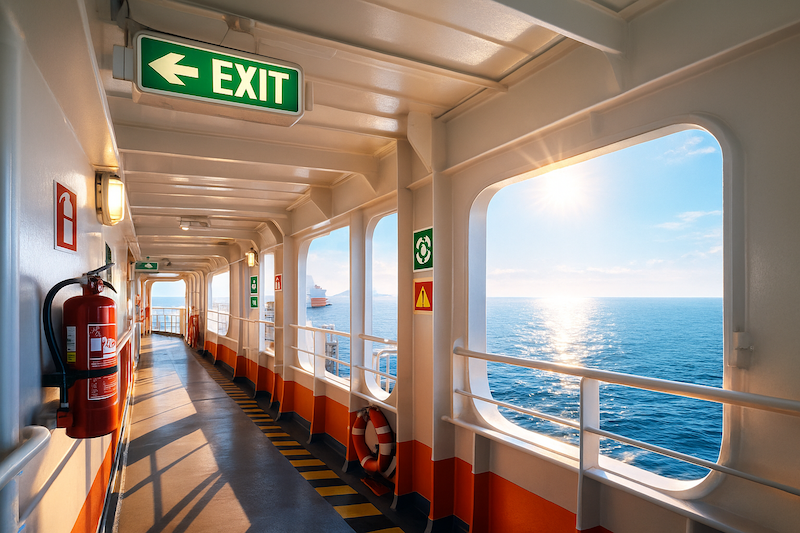
IMO safety symbols are designed as an international visual language that can be understood by anyone, whether crew members from different countries or passengers without technical knowledge. Ships are required to display these symbols clearly at various important locations such as corridors, decks, emergency exits, muster stations, engine rooms, and safety equipment areas. Green signs generally indicate the location of safety equipment and escape routes, such as emergency exits, evacuation stairs, or assembly points. Red signs are used to mark firefighting equipment, including fire extinguishers, hydrants, and hose boxes. Meanwhile, yellow or orange signs are typically used as hazard warnings, such as high-risk areas, engine rooms, and locations containing flammable materials.
For example, the green evacuation route symbol usually shows a running person with an arrow pointing in the direction of the exit leading to the rescue deck. The muster station symbol is marked with an image of a group of people, indicating the gathering point before boarding lifeboats, while lifeboat or life raft icons indicate the location of lifesaving appliances. For fire protection, red symbols mark the location of equipment such as fire extinguishers, hydrants, or fire hose reels. These symbols do not use text so they can be quickly understood in emergency situations that require an immediate response.
From a regulatory perspective, SOLAS establishes comprehensive ship safety standards, covering ship construction, machinery systems, lifesaving equipment, and crew competence. In emergency situations, SOLAS requires several mandatory procedures such as conducting fire drills and abandon-ship drills at least once a month, performing regular inspections of safety equipment, and posting a muster list that explains the responsibilities of each crew member. SOLAS procedures also require that all passengers know how to wear a life jacket, understand the ship’s alarm signals, and know the location of the muster station before the vessel departs. In addition, SOLAS requires ships to be equipped with devices such as an Emergency Position Indicating Radio Beacon (EPIRB) to transmit distress signals, a Search and Rescue Transponder (SART) to assist rescue operations during evacuation, and automatic firefighting systems in high-risk areas.
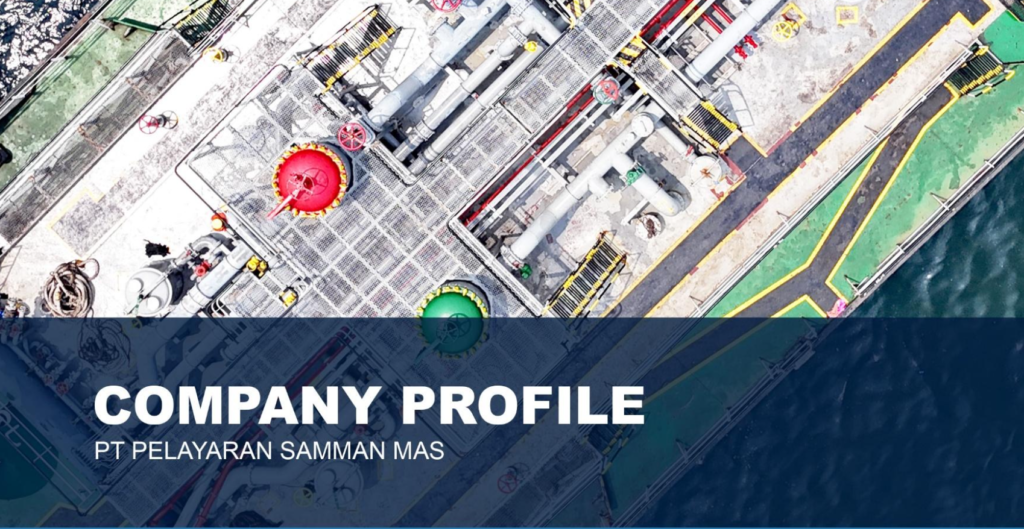
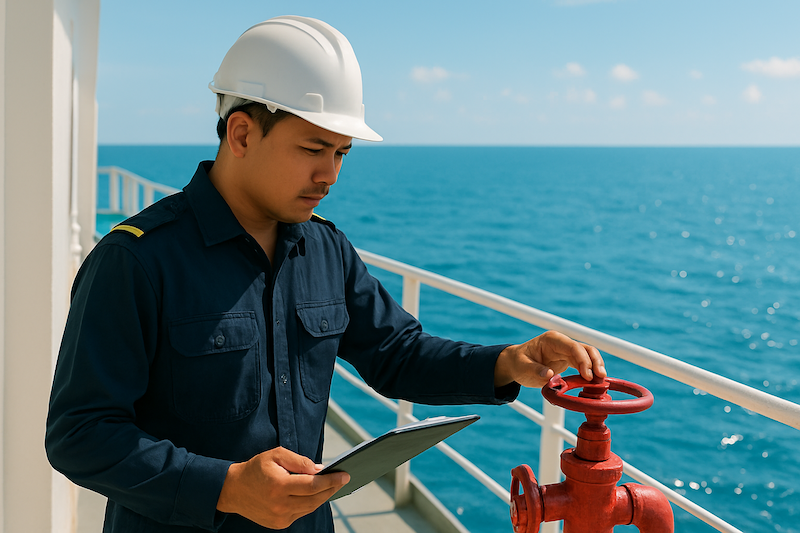
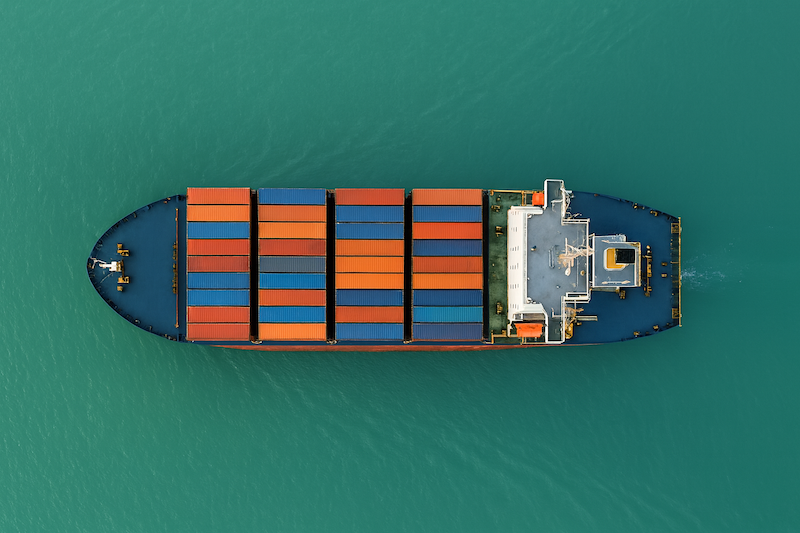
The implementation of IMO and SOLAS standards is also an important part of the operational commitment of PT Pelayaran Samman Mas. As a national shipping company serving various logistics and sea transportation routes, Samman Mas ensures that all vessels in its fleet are equipped with safety symbols that meet international standards, placed in strategic locations, and maintained so they remain clearly visible and easy to read. The company also consistently implements SOLAS safety procedures through crew training programs, regular emergency drills, periodic inspections of safety equipment, and updates to safety documentation in accordance with the latest regulations. Crew members are equipped with technical knowledge ranging from the use of firefighting equipment, activation of emergency alarms, handling fires in the engine room, to evacuation procedures when it becomes necessary to abandon the ship.
Through the integration of IMO standards and SOLAS procedures, PT Pelayaran Samman Mas strengthens its safety culture in every ship operation. This effort not only fulfills international regulations but also provides maximum protection for crew members and service users, while enhancing the company’s reliability in supporting safe maritime activities in Indonesia. The better the implementation and understanding of these safety standards, the higher the level of operational safety on board ships, and the more prepared the company will be to face potential risks that may occur at any time at sea.