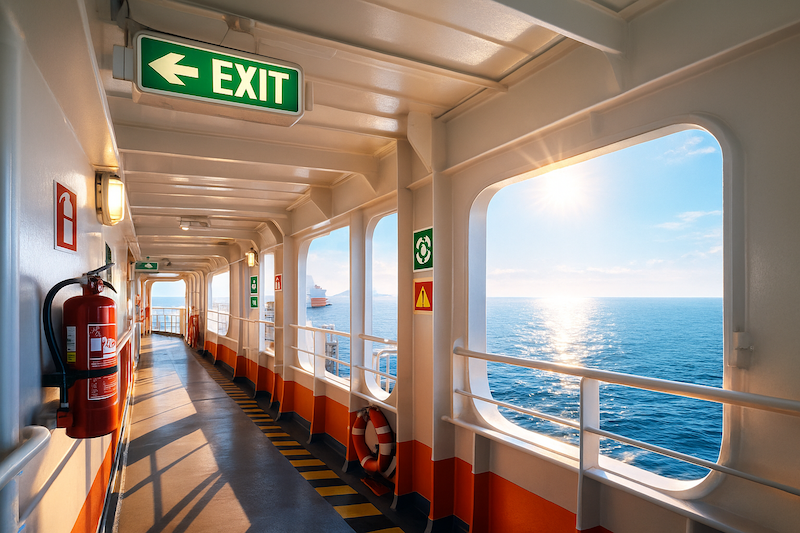

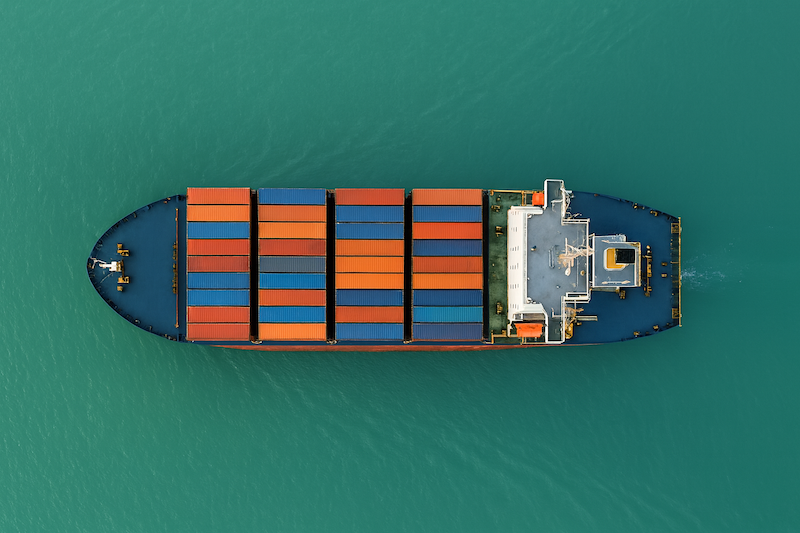
Maritime safety has once again become a primary focus of the government as public mobility and logistics activities through sea routes continue to increase. The Directorate General of Sea Transportation emphasizes that every vessel—ranging from tanker ships to SPOB vessels—must comply with all safety standards in accordance with applicable regulations. This requirement includes the availability of safety equipment such as life jackets, life buoys, life rafts, firefighting equipment, and other emergency devices that must function properly. All of this equipment must undergo routine inspections and remain ready for use at any time, considering that the safety of passengers and crew members greatly depends on the completeness and quality of these devices. Several national shipping companies, including PT Pelayaran Samman Mas, also support this policy by ensuring that their fleets meet the latest safety standards.
In addition to safety equipment, navigation and communication systems are also essential elements in ensuring safe voyages. The government requires vessels to be equipped with GPS, radar, an Automatic Identification System (AIS), a compass, and VHF radio communication systems to maintain continuous information flow during navigation. These devices are vital in assisting the captain in making decisions, avoiding collisions, determining the ship’s position accurately, and contacting authorities in the event of an emergency. Ship seaworthiness inspections are also mandatory, including checks on engine conditions, vessel stability, cargo limits, and the readiness of all supporting navigation systems. Shipping operators, including PT Pelayaran Samman Mas, continue to strengthen the navigation and communication systems of their fleets to support maritime safety.
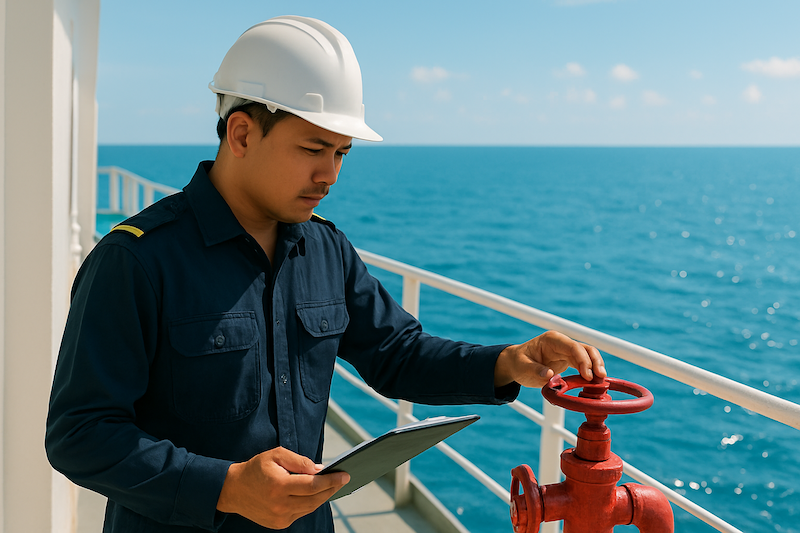
From the human resource perspective, the government emphasizes the importance of professionalism and competence among crew members as the frontline in maintaining safety at sea. Every crew member is required to understand safety procedures, participate in emergency response training, and carry out their duties in accordance with standard operating procedures. Human error remains one of the largest risk factors in maritime accidents, making the discipline and preparedness of crew members crucial to ensuring smooth voyages. In line with this effort, PT Pelayaran Samman Mas continues to enhance internal training programs for its crew members to ensure they are always prepared to face potential emergency situations. In addition, ship captains and operators are encouraged to closely monitor weather updates from BMKG, especially during seasons of strong winds and high waves, and to delay departures if conditions are considered unsafe.
Environmental protection is also an important component of maritime safety standards. Ships are required to implement pollution prevention procedures, including proper waste management, oil spill handling, and the use of fuel in accordance with regulatory standards. The government stresses that maritime safety is not only about protecting human life but also about preserving marine ecosystems that support coastal communities. A similar commitment is demonstrated by PT Pelayaran Samman Mas through the implementation of environmentally responsible operational practices across its fleet.
Through stronger standards for equipment, advanced navigation technology, well-prepared maritime human resources, and strict compliance by ship operators, the government hopes to continuously improve the level of maritime safety in Indonesia. This effort represents a strategic step in supporting smooth sea transportation, strengthening the national logistics chain, and providing a sense of security for communities that rely on maritime transport as part of their daily activities. With the support of national shipping companies such as PT Pelayaran Samman Mas, maritime safety in Indonesia is expected to become safer, more orderly, and more sustainable.