

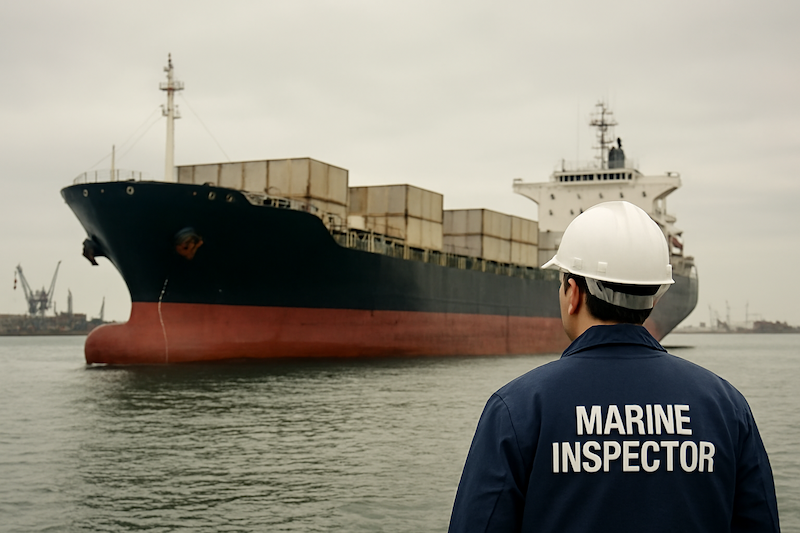
The Directorate General of Sea Transportation under the Ministry of Transportation has once again demonstrated its commitment to improving maritime transport safety by appointing 72 Marine Inspectors Type A and Type B. Strengthening the role of Marine Inspectors is considered highly important, given that most vessels operating in Indonesia are non-conventional ships, such as cargo vessels under GT 500, barges, tugboats, and wooden vessels. These ships play a major role in community activities and national logistics routes, making their safety a priority that requires special attention.
The Director of Shipbuilding and Seafarers Affairs, Samsuddin, emphasized that improving the quality of Marine Inspectors is a strategic step toward ensuring public safety. According to him, Indonesia has more than 103,000 vessels, most of which are non-conventional ships, and all of them operate daily to support public mobility and logistics distribution.
“Marine Inspectors are the frontline in ensuring that these vessels are truly seaworthy,” he said. He stressed that the principle of Zero Compromise for Safety must be upheld by all personnel within the maritime transportation sector, not merely as a slogan but as a working standard. This effort to strengthen human resources is expected to bring direct benefits to the public, including safer sea travel and smoother logistics distribution.
Preparing for the Christmas and New Year Sea Transportation Period
Samsuddin also highlighted the importance of readiness ahead of the Christmas 2025 and New Year 2026 sea transportation period, a time that typically sees a significant surge in passenger numbers. During such periods, the role of Marine Inspectors becomes even more crucial.
Marine Inspectors are responsible for conducting seaworthiness inspections, ensuring compliance with technical safety standards, preventing marine pollution, and maintaining safe maritime operations. Considering Indonesia’s vast waters, the presence of Marine Inspectors ensures that passenger and logistics vessels can operate safely and efficiently.
“I ask all Marine Inspectors, especially those newly appointed, to ensure that every passenger vessel fully meets all seaworthiness requirements. The public must be able to travel safely, comfortably, and securely,” he emphasized.
Strengthening Human Resources Through Technology and Updated Regulations
This year’s appointment process was also designed as an opportunity to enhance professional competence. Marine Inspectors received updates on the latest ship safety regulations and technologies at both national and global levels.
According to Samsuddin, this training is essential to ensure that Marine Inspectors can respond professionally to developments in the field. “This appointment is not merely a formality. We want Marine Inspectors to have the latest understanding of regulatory developments and ship safety technologies,” he explained.
The program featured speakers from the Directorate of Shipbuilding and Seafarers Affairs, the Maritime Safety Technology Center, as well as industry representatives such as AMSAT and PT Binasena. Participants attended a series of sessions over five days, from November 17 to 21, 2025, in Jakarta.
On the final day, participants underwent evaluations conducted by the AMSAT Expert Team and officials from the Directorate General of Sea Transportation to ensure that all appointed Marine Inspectors met the required qualification standards.
A Strategic Step Toward Better Maritime Safety
The appointment of Marine Inspectors Type A and Type B reflects the government’s commitment to strengthening national maritime safety. With increasingly competent human resources, it is expected that passenger safety, logistics distribution, and marine environmental protection will continue to improve.
This initiative also aligns with the government’s vision of creating reliable, safe maritime transportation that supports the national economy. With Marine Inspectors serving as the frontline guardians of maritime safety, the public can feel more confident in using sea transportation.
“This effort is expected to provide significant benefits for the community, especially sea transportation users, so they can travel and carry out their activities with a sense of safety and confidence,” Samsuddin concluded.