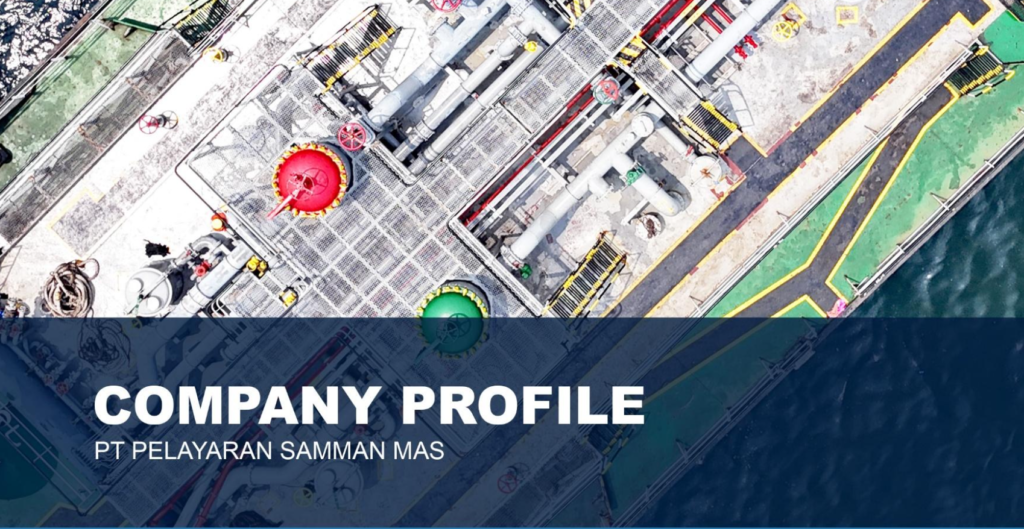


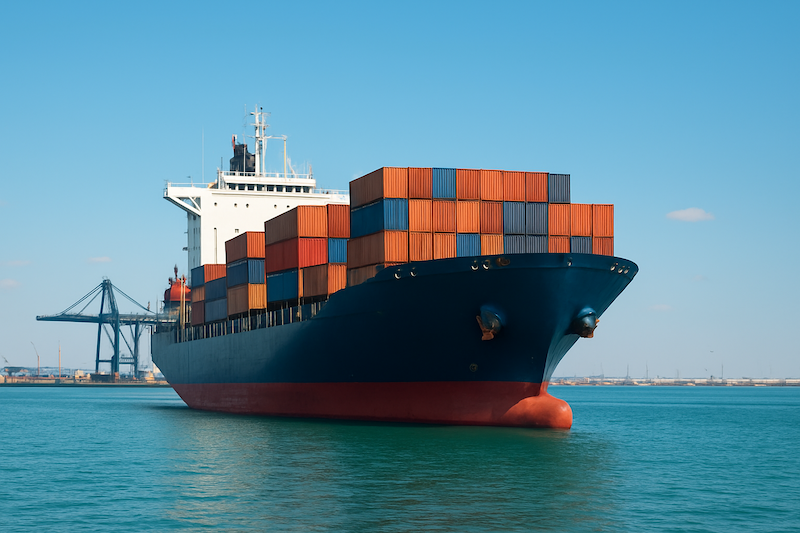
Motor tanker ships are an essential part of global energy distribution. These vessels are designed to transport large quantities of liquid cargo. The types of cargo vary widely, including crude oil, refined fuels, LNG, LPG, and industrial chemicals. The term “Motor Tanker” refers to the use of diesel engines as the main source of power. This distinguishes them from older tanker ships that used steam engines. In international naming conventions, ships of this type use the prefix “MT”, for example MT Audrey.
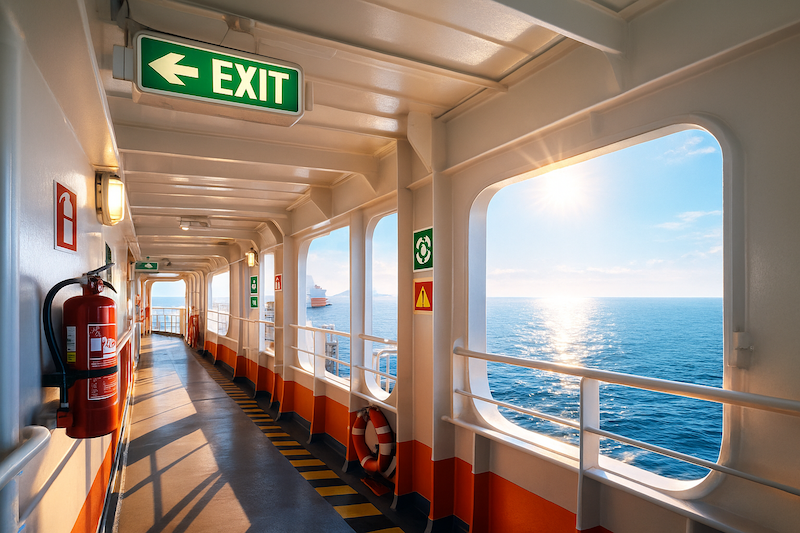
In terms of design, motor tanker ships are built with double hulls to prevent cargo leaks. Their liquid storage tanks are equipped with piping systems and high-pressure pumps to make the loading and unloading process more efficient. For LNG and LPG carriers, special cooling systems are installed to keep the gas in liquid form at extremely low temperatures. Because these ships carry hazardous cargo, they are equipped with safety systems such as an inert gas system, fire detection systems, and emergency shutdown systems for emergency situations.
Motor tanker ships also vary in size. Smaller vessels, such as Handysize tankers, have capacities of less than 60,000 DWT. The largest vessels are VLCC (Very Large Crude Carriers) and ULCC (Ultra Large Crude Carriers), which can transport hundreds of thousands of tons of crude oil. These large ships connect energy-producing countries with industrial nations that rely heavily on energy supplies. Without tanker ships, the global supply of oil and gas could be disrupted.
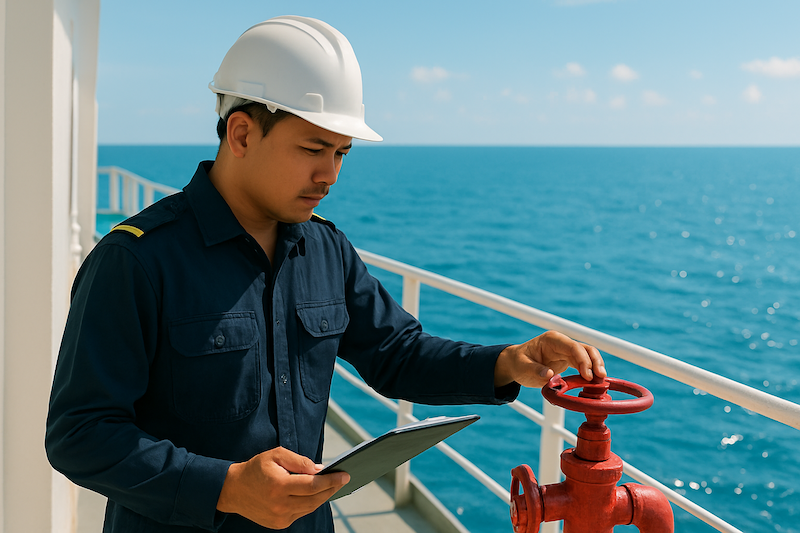
Modern technology is also transforming tanker operations. Many companies are now using digital navigation systems, cargo monitoring sensors, and low-emission fuels such as LNG and biofuels. Some of the newest ships even use artificial intelligence (AI) to monitor engine performance and tank conditions in real time.
Despite their importance, tanker ships still face several challenges. Accidents can cause serious marine pollution, and many aging vessels need to be modernized. Emission regulations are becoming stricter, requiring ships to adopt more environmentally friendly technologies. In addition, tanker ships require well-trained seafarers with internationally recognized certifications. Advanced technology cannot function effectively without competent human resources.
Motor tanker ships are more than just transport vessels. They are a vital part of the global energy supply chain. The future of the shipping industry will depend on fleet modernization, environmentally friendly technology, and high safety standards. With these efforts, motor tanker ships will continue to serve as an important pillar of the global maritime industry.